机型库De Havilland Dash 8 Q400
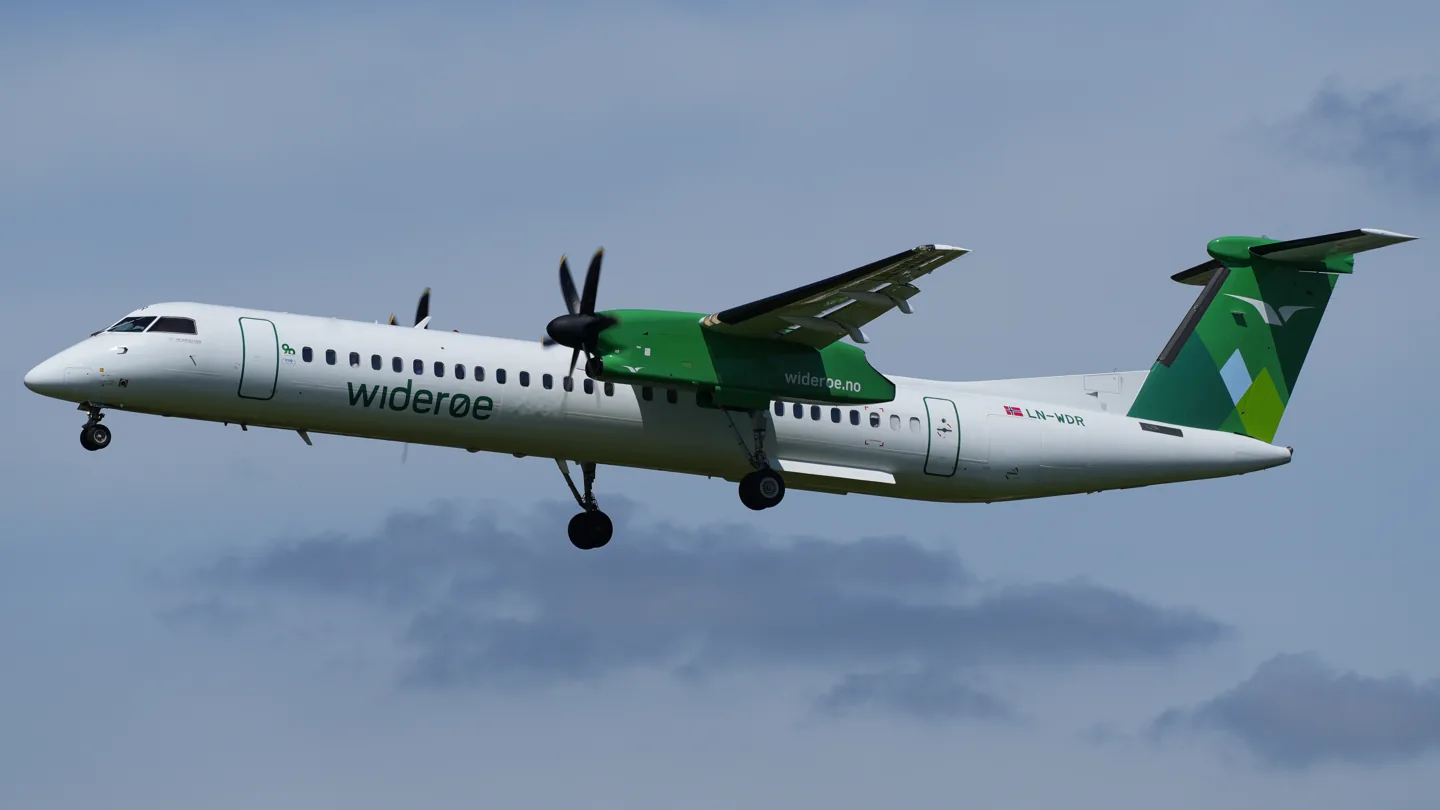
De Havilland Dash 8 Q400MarcelX42 · CC BY-SA 4.0 · Widerøe DHC-8-402Q

De Havilland Dash 8 Q400

A regional turboprop family whose short early versions and larger Q400 have different proportions and systems.
Airliner配置文件选项:2 个

了解飞机

The Dash 8 entered service in 1984, developing regional-airline work around two turboprops rather than the Dash 7's four. The programme expanded through several fuselage lengths and engine developments. Later Q-series aircraft incorporated active cabin noise and vibration reduction.

The Q400 is a substantially larger and faster member of that family. FlyJSim's Q4XP represents this version, with its flight-management system and controls described in the developer manual.

Aircraft / family

Propulsion
Twin turboprop↗
Configuration
High wing · Regional transport↗

在 AirframeDB 上了解这款航空器

A regional family grows beyond its first model

De Havilland dates the Dash 8 Series 100’s first flight to 20 June 1983. Its history traces the family’s expansion to four models in the 1990s, followed by rising demand for the larger Dash 8-400 as fuel prices increased in the following decade.

Looking down at the airport where it began

Flying over Springbank gave Fang an unexpected connection with his training days. He could see the airport where he had learned to fly and hear familiar callsigns, including people who had instructed him. From the cockpit of the Dash 8, a place he knew from the ground now marked how far his own flying had progressed.

His interest had arrived relatively late, through watching a Cessna 172 video while at university. A discovery flight at Calgary Flying Club led to training and then instructing there. Airline work brought early starts, weather preparation and coffee before departure, alongside pleasures such as a Rocky Mountain sunrise. He also valued opportunities to hand-fly, keeping skills from his instructing days in use.

A former flight attendant finds a different view of Canada

Landry-Chouinard particularly enjoyed flying along the Lower North Shore towards Blanc-Sablon, with the St Lawrence and surrounding landscape opening out beneath the aircraft. His first trip across Canada, from Montreal to Calgary, also changed his sense of the country’s scale. Airline flying gave him places to see as well as a new position in the crew.

He had already spent nine years working as a flight attendant before becoming a pilot. During the pandemic, he bought a Cessna 150 and pursued flying at his own pace. Receiving his first pilot paycheque in 2024 was an emotional milestone. By the time of the interview, his Montreal work usually allowed him to return home after a day that began with breakfast, weather and flight preparation.

Learning how a captain sets the tone

Lemiski found that becoming a captain involved learning how her behaviour affected everyone around her. A calm, considerate approach helped set the tone for the crew, while a successful day depended on people working well beyond the flight deck. Dispatchers, ramp staff and cabin crew all contributed to getting a short-haul flight away.

Passenger conversations became another rewarding part of command. Some travellers were still surprised to meet a woman captain. On one flight with an all-female crew, a twelve-year-old passenger was taking her first airline trip: every pilot she had met was therefore a woman. Lemiski connected that moment with the encouragement she herself had received, and with the responsibility of making aviation feel possible to the next generation.

公开来源 9
  1. De Havilland Canada Dash 8Research background · Wikipedia revision 1373442604 · retrieved 2026-09-12
  2. X-Plane aircraft and avionics manuals
  3. Q4XP systemsOfficial developer / designated store catalogue · checked 2026-09-12
  4. Meet the team: Ray FangInterview by Sarah Blake · 24 April 2025
  5. Meet the team: Michaël Landry-ChouinardInterview by Sarah Blake · 26 April 2026
  6. Five lessons from my first year as an airline captainClaire Lemiski · 8 March 2019
  7. A century of excellenceManufacturer history · retrieved September 2026
  8. FlyJSim Q4XP-FlyJSim-Q4XPOfficial developer / designated-store reference · checked 2026-09-14
  9. ICAO Doc 8643 — aircraft type designatorsPublic search data retrieved 2026-09-14; authority update 2026-09-03

配置文件如何建模

De Havilland Dash 8 Q400

Free + Pro
X-Plane 12X-Plane 11

The Dash 8 entered service in 1984, developing regional-airline work around two turboprops rather than the Dash 7's four. The programme expanded through several fuselage lengths and engine developments. Later Q-series aircraft incorporated active cabin noise and vibration reduction.

This starting point selects De Havilland Dash 8 Q400. Its aircraft-level settings do not select a particular developer’s custom systems.

The powered-control response approximates the Q400’s feel system. Spring resistance builds with the selected airspeed response. A separate aerodynamic term adds speed-dependent control load.

The documented aileron trim unit and pitch-feel units give trim distinct axis mechanisms. Valid trim provides the configured pressure relief. Autopilot following is enabled for supported control references.

Controls and trim

The Q400’s ailerons use geared tabs and cables with hydraulic spoilers, while its powered elevators have dedicated feel/trim units. Airspeed and normal acceleration enter the pitch-feel schedule. The aileron trim-control unit moves wheel neutral; flap-linked automatic pitch trim is another function.

Q4XPQ400 flight control differencesQ400 flight controls reproduced training chapterFlyJSim Q4XP-FlyJSim-Q4XP

About the values

The gains are normalized profile settings. They describe the chosen effect balance; hand force depends on the device and its output limits. IAS references are tuning values rather than operating limits. Physical acceptance of this revision remains pending.

Master gain & control system

Master gain85%

施加于模型产出的一切、在设备上限之前的最终整体输出缩放。

调高: 一切(弹簧、载荷、效果)一同增强。

调低: 一切一同变柔。

设定理由: Scales overall profile strength while preserving effect balance, subject to device and output limits.

Forces

Spring strength74%

把摇杆拉回中央的基础回中力。其他所有力都叠加在它之上。太低,正常飞行中摇杆会发软;太高,它会与你的手较劲,并掩盖叠加其上的细微提示。

调高: 更硬的回中,更抗手。

调低: 更软的杆,只靠气动载荷。

设定理由: The powered-control response approximates the Q400’s feel system. The baseline spring is 0.74. Its low-speed blend reaches baseline strength at 90 KIAS.

Q4XPQ400 flight control differencesQ400 flight controls reproduced training chapterFlyJSim Q4XP-FlyJSim-Q4XP
Spring deadband5%

中央附近弹簧保持安静的小中立区,让静止时的微小移动不会咔嗒作响。更宽更安稳但更松,更窄更精确但可能在中央附近抖动。

调高: 更安静但更松的中央,旷量更大。

调低: 更紧的中央,静止时可能抖动。

设定理由: Sets travel around the centre before the baseline spring resists. Smaller values engage it sooner.

Overall aerodynamic load68%

作用于两条持续轴载荷的主缩放,在它们各自的独立平衡之前施加。配置文件通常不动它,而是调校两条轴载荷。

调高: 两轴载荷一同加重。

调低: 两轴一同减轻。

设定理由: The aerodynamic-load gain is 0.68 with an indicated-speed reference of 210 KIAS. This supplies speed-dependent loading alongside the spring.

Airspeed blendingTrue

启用低速弹簧介入窗口(上面的起始/全强度节数)。关闭时弹簧在所有速度下恒定。

设定理由: Allows baseline spring strength to rise with indicated airspeed where the control law permits it.

Low-speed spring floor55%

在静止、空速尚未产生气动力之前,弹簧还剩多少。下限高,停机时摇杆结实;下限低,则是停放轻型飞机那种钢索松弛的感觉。

调高: 停机和滑行时杆更结实。

调低: 停机时杆发软,只随速度苏醒。

设定理由: Sets low-speed spring strength as a fraction of baseline when blending is enabled. One keeps full strength.

Spring engagement start20 kt

弹簧从低速下限开始向全强度攀升的空速:起飞滑跑中操纵面"苏醒"的那一刻。

设定理由: Sets the IAS where the low-speed spring blend starts rising. This is a feel threshold, not a flight limit.

Spring engagement full90 kt

弹簧达到全强度的空速。从起点到这里,随着气流在操纵面上增强,回中逐渐变硬。

设定理由: Sets the IAS where the low-speed blend reaches baseline strength; high-speed stiffening also uses it.

力反馈调校速度210

气动载荷达到设计满值的指示空速。它把整条载荷曲线锚定在飞机真实的速度范围:172在110节就载满,喷气机要晚得多。

调高: 载荷来得更晚;杆轻到更高速度。

调低: 载荷来得更早,巡航更沉。

设定理由: Sets the IAS reference for aerodynamic loading. It is an estimate, not published cruise TAS or a flight limit.

Centre firmness vs speed10%

在偏转载荷之外,回中本身随速度变硬的程度。零则中央手感恒定;越大,巡航时回中越硬,起落航线上越松。

调高: 中央随速度明显变硬。

调低: 任何速度下中央手感恒定。

设定理由: The high-speed spring-stiffening gain is 0.1. It strengthens the permitted spring response above 90 KIAS, with the squared-speed ratio capped at 5.

Centre stiffening cap5

速度驱动的中央变硬上限,防止高速飞行把弹簧无限上紧。

调高: 高速允许更多总硬化。

调低: 硬化更早封顶。

设定理由: Limits the squared airspeed ratio used for high-speed spring stiffening; it is not a device-force cap.

Aileron load72%

由副翼偏转和空速产生的持续横滚载荷,独立于俯仰调校。与升降舵载荷一起,决定评测中常说的操纵协调比。

调高: 横滚力更重。

调低: 副翼更轻更灵。

设定理由: Roll and pitch aerodynamic scales are 0.72 and 1, respectively. They set the aerodynamic axis balance. No custom spring-travel curve is enabled.

Elevator load100%

由升降舵偏转和空速产生的持续俯仰载荷,独立于横滚调校。这是决定机型俯仰重量的主杠杆。它不影响副翼、弹簧、配平或抖振力。

调高: 速度下持续俯仰力更重。

调低: 升降舵更轻,握持更省力。

设定理由: Scales pitch aerodynamic loading; pitch spring travel and trim responses are separate settings.

Max output force55%

每个稳态俯仰或横滚力到达设备前的上限,防止猛烈机动中砸击或饱和硬件。

调高: 削波前更高的稳态力峰值。

调低: 更柔的上限;猛烈机动更早被抹平。

设定理由: Caps directed-force output. Native spring effects and device limits remain separate.

Trim

Trim relief (elevator)30%

升降舵配平缓解持续俯仰力、移动杆的安定位置的强度。在100 %时,配平得当的飞机不需要保持压力——正是真实飞行中"用配平消掉载荷"的流程。

调高: 配平消掉更多持续力;100 %时满配平可完全抵消。

调低: 即使配平也仍要持续用力。

设定理由: The documented aileron trim unit and pitch-feel units give trim distinct axis mechanisms. Pitch authority 0.3 provides load relief and permitted centre movement; roll authority is 0.14.

Q4XPQ400 flight control differencesQ400 flight controls reproduced training chapterFlyJSim Q4XP-FlyJSim-Q4XP
Trim relief (aileron)14%

横滚配平的同类缓解。多数通航机型没有真正的副翼配平,所以保持为零;有横滚配平的机型获得相应的值。

调高: 横滚配平消掉更多持续力。

调低: 横滚配平作用更小。

设定理由: Scales supported roll-trim relief and permitted centre movement. Zero removes roll response.

Effect gains · Ground

Runway rumble42%

由轮速和地面类型(铺装、草地、砾石)产生的滚动振动。

调高: 杆上更强的地面质感。

调低: 更平滑的滑行。

设定理由: Sets rolling texture strength, modified by speed, surface and undercarriage configuration.

Gear bumps32%

来自伸缩缝、车辙和粗糙地面的短促离散颠簸,为持续隆隆声打上标点。

调高: 接缝与车辙的冲击更清晰。

调低: 更柔的地面细节。

设定理由: Sets gear-bump texture during ground motion, separate from touchdown impact.

Effect gains · Airframe

Stall buffet28%

接近失速及失速警告响起时的机体抖动:这副机翼宣告不满的音量。断失干脆的机型抖振收敛,让喇叭承担警告。

调高: 更强的失速前颤抖。

调低: 更含蓄的机翼;警告交给喇叭。

设定理由: Sets stall-buffet strength. Zero removes the cue without changing simulator stalls or warnings.

Mach buffet0%

接近马赫极限的跨音速抖振。对接近MMO的喷气机有意义,对到不了那里的活塞机和涡桨机为零。

调高: 接近马赫极限时更强的跨音速抖振。

调低: 高马赫下更平滑的飞行。

设定理由: Sets high-Mach buffet strength; onset and full-strength thresholds are separate.

Flap buffet14%

襟翼伸入气流后机体的低频振动,发生在它们真正做功的速度窗口内。

调高: 襟翼做功时更粗糙的飞行。

调低: 更柔的进近襟翼。

设定理由: Sets flap buffet at the configured position and speed gates. Flap movement texture is separate.

Gear buffet10%

可收放起落架悬在气流中引起的机体鼓振。固定起落架机型为零,它们的机体外形从不改变。

调高: 放起落架时更多鼓振。

调低: 放起落架飞行更干净。

设定理由: Sets gear aerodynamic buffet; movement and ground-contact cues are separate.

Stick shaker50%

由飞机自身失速警告系统触发的专用抖杆器振动。只有真有抖杆器的机型才有值;其余全靠气动抖振和喇叭。

调高: 更硬的抖杆器。

调低: 更含蓄的抖杆器。

设定理由: Sets triggered shaker strength; inactive while the shaker feature is disabled.

Effect gains · Engine, mechanical & drag

Touchdown thump82%

机轮触及跑道那一下的单次冲击,按下沉率缩放:轻柔着陆是耳语,结实到达是一记闷响。

调高: 触地时更硬的一击。

调低: 更柔的到达。

设定理由: Sets landing-impact strength; landing telemetry and response shape determine the pulse.

Reverse rumble48%

反推或桨叶beta区工作时的滑跑振动。无反推机型为零。

调高: 反推下更粗糙的滑跑。

调低: 更含蓄的反推。

设定理由: Sets reverse-thrust vibration with valid reverser and engine conditions. Zero removes the cue.

Engine rumble6%

从慢车到全功率跟随转速的持续动力装置振动——前方有东西在烧油的永恒提醒。

调高: 杆里更多发动机。

调低: 更含蓄的发动机。

设定理由: Sets estimated engine vibration using configured telemetry and response, not measured cockpit vibration.

Flap motion12%

仅在模拟器报告襟翼舵面确实移动时的持续振动。它跟随真实作动器的运动和故障,而非估算的计时器。

调高: 襟翼移动中更多振动。

调低: 更含蓄的襟翼行程。

设定理由: Sets texture from observed flap movement; a command without movement does not establish the cue.

Autopilot follow

AP follow authority10%

自动驾驶指令可以让杆实际移动多远。在MSFS中保持极小,因为移动的轴可能被读回为飞行员输入;零则完全禁用跟随。

调高: 自动驾驶让你的杆移动得明显更多。

调低: 几乎察觉不到的跟随。

设定理由: Sets admitted AP-follow gain, not a percentage of travel. Runtime ownership and input limits still apply.

Stick feel

StickFeel · Trim feel enabledTrue

Whether this feature is active in this profile.

设定理由: Retained for compatibility and group membership. Trim relief, rather than this flag, controls centre movement.

StickFeel · Trim relief enabledTrue

Whether this feature is active in this profile.

设定理由: Allows trim relief with supported control law and valid telemetry. Axis authorities set its amount.

StickFeel · Force trim enabledFalse

Whether this feature is active in this profile.

设定理由: Enables local force trim, separate from aircraft-owned trim and add-on integration qualification.

StickFeel · G load enabledTrue

Whether this feature is active in this profile.

设定理由: Allows load-factor changes to modify permitted spring laws. Passive fly-by-wire feel can suppress it.

StickFeel · Rate damping enabledTrue

Whether this feature is active in this profile.

设定理由: Enables rate damping with the configured coefficients and control law.

Autopilot

Autopilot · Follow enabledTrue

Whether this feature is active in this profile.

设定理由: Following is on at 0.1 authority when a supported, valid autopilot control reference is available.

Autopilot · Neutral hold enabledFalse

Whether this feature is active in this profile.

设定理由: Permits centering hold during a supported AP state, separate from following a moving target.

Autopilot · Neutral hold strength0.6

设定理由: Sets admitted AP neutral-hold strength; inactive while neutral hold is disabled.

Aero

Aero · EnabledTrue

Whether this feature is active in this profile.

设定理由: Enables aerodynamic cues; each still needs nonzero strength and its simulator conditions.

Aero · Max flap index4

Where this effect reaches full strength (or has fully faded, for washouts).

调高: a more gradual build to a later peak.

调低: a quicker build.

设定理由: Sets the final flap index for detent normalization. UP plus three detents uses maximum index3.

Aero · Min flap index2

Where this effect begins fading in.

调高: the effect begins later.

调低: it begins earlier.

设定理由: Sets the first flap detent that admits buffet; this is a handle index, not degrees.

Aero · Shaker enabledFalse

Whether this feature is active in this profile.

设定理由: Permits shaker at supported warning conditions; the switch does not establish aircraft equipment.

Ground

Ground · EnabledTrue

Whether this feature is active in this profile.

设定理由: Enables ground effects; each still needs its own strength and contact or motion telemetry.

Engine

Engine · EnabledTrue

Whether this feature is active in this profile.

设定理由: Enables engine cues with nonzero settings and valid running-engine telemetry.

Mechanical

Mechanical · EnabledTrue

Whether this feature is active in this profile.

设定理由: Enables accessory cues with configured strengths and observed accessory movement.

Mechanical · Gain0.12

The strength of this effect.

调高: a stronger effect.

调低: a weaker one.

设定理由: Sets texture from observed gear movement, separate from aerodynamic and touchdown effects.

全部配置文件设置
估算的配置文件设置
参数数值控制作用及原因
Spring strength0.74 The powered-control response approximates the Q400’s feel system. The baseline spring is 0.74. Its low-speed blend reaches baseline strength at 90 KIAS.
Spring deadband0.05 Sets travel around the centre before the baseline spring resists. Smaller values engage it sooner.
Force gain0.68 The aerodynamic-load gain is 0.68 with an indicated-speed reference of 210 KIAS. This supplies speed-dependent loading alongside the spring.
Master gain0.85 Scales overall profile strength while preserving effect balance, subject to device and output limits.
Dynamic-pressure blendTrue Allows baseline spring strength to rise with indicated airspeed where the control law permits it.
Minimum spring factor0.55 Sets low-speed spring strength as a fraction of baseline when blending is enabled. One keeps full strength.
Spring wake-up speed20 ktSets the IAS where the low-speed spring blend starts rising. This is a feel threshold, not a flight limit.
Spring full-strength speed90 ktSets the IAS where the low-speed blend reaches baseline strength; high-speed stiffening also uses it.
力反馈调校速度210.0 ktSets the IAS reference for aerodynamic loading. It is an estimate, not published cruise TAS or a flight limit.
Airspeed spring stiffening0.1 The high-speed spring-stiffening gain is 0.1. It strengthens the permitted spring response above 90 KIAS, with the squared-speed ratio capped at 5.
Airspeed stiffening cap5 Limits the squared airspeed ratio used for high-speed spring stiffening; it is not a device-force cap.
Aileron force scale0.72 Roll and pitch aerodynamic scales are 0.72 and 1, respectively. They set the aerodynamic axis balance. No custom spring-travel curve is enabled.
Elevator force scale1.0 Scales pitch aerodynamic loading; pitch spring travel and trim responses are separate settings.
Maximum output force0.55 Caps directed-force output. Native spring effects and device limits remain separate.
StickFeel · Trim feel enabledTrue Retained for compatibility and group membership. Trim relief, rather than this flag, controls centre movement.
StickFeel · Trim relief enabledTrue Allows trim relief with supported control law and valid telemetry. Axis authorities set its amount.
StickFeel · Elevator authority0.3 The documented aileron trim unit and pitch-feel units give trim distinct axis mechanisms. Pitch authority 0.3 provides load relief and permitted centre movement; roll authority is 0.14.
StickFeel · Aileron authority0.14 Scales supported roll-trim relief and permitted centre movement. Zero removes roll response.
StickFeel · Force trim enabledFalse Enables local force trim, separate from aircraft-owned trim and add-on integration qualification.
StickFeel · G load enabledTrue Allows load-factor changes to modify permitted spring laws. Passive fly-by-wire feel can suppress it.
StickFeel · Rate damping enabledTrue Enables rate damping with the configured coefficients and control law.
Autopilot · Follow enabledTrue Following is on at 0.1 authority when a supported, valid autopilot control reference is available.
Autopilot · Follow authority0.1 Sets admitted AP-follow gain, not a percentage of travel. Runtime ownership and input limits still apply.
Autopilot · Neutral hold enabledFalse Permits centering hold during a supported AP state, separate from following a moving target.
Autopilot · Neutral hold strength0.6 Sets admitted AP neutral-hold strength; inactive while neutral hold is disabled.
Aero · EnabledTrue Enables aerodynamic cues; each still needs nonzero strength and its simulator conditions.
Aero · Gain0.28 Sets stall-buffet strength. Zero removes the cue without changing simulator stalls or warnings.
Aero · Gain0 Sets high-Mach buffet strength; onset and full-strength thresholds are separate.
Aero · Gain0.14 Sets flap buffet at the configured position and speed gates. Flap movement texture is separate.
Aero · Max flap index4 Sets the final flap index for detent normalization. UP plus three detents uses maximum index3.
Aero · Min flap index2 Sets the first flap detent that admits buffet; this is a handle index, not degrees.
Aero · Gain0.1 Sets gear aerodynamic buffet; movement and ground-contact cues are separate.
Aero · Shaker enabledFalse Permits shaker at supported warning conditions; the switch does not establish aircraft equipment.
Aero · Amplitude0.5 Sets triggered shaker strength; inactive while the shaker feature is disabled.
Ground · EnabledTrue Enables ground effects; each still needs its own strength and contact or motion telemetry.
Ground · Gain0.42 Sets rolling texture strength, modified by speed, surface and undercarriage configuration.
Ground · Gain0.32 Sets gear-bump texture during ground motion, separate from touchdown impact.
Ground · Gain0.82 Sets landing-impact strength; landing telemetry and response shape determine the pulse.
Ground · Gain0.48 Sets reverse-thrust vibration with valid reverser and engine conditions. Zero removes the cue.
Engine · EnabledTrue Enables engine cues with nonzero settings and valid running-engine telemetry.
Engine · Gain0.06 Sets estimated engine vibration using configured telemetry and response, not measured cockpit vibration.
Mechanical · EnabledTrue Enables accessory cues with configured strengths and observed accessory movement.
Mechanical · Gain0.12 Sets texture from observed flap movement; a command without movement does not establish the cue.
Mechanical · Gain0.12 Sets texture from observed gear movement, separate from aerodynamic and touchdown effects.
公开来源 11
  1. De Havilland Canada Dash 8Research background · Wikipedia revision 1373442604 · retrieved 2026-09-12
  2. Q4XPQ4XP product flight controls and trim systemsOfficial developer / designated store catalogue · checked 2026-09-12
  3. Q400 flight control differencesTransport Canada Q400 operational evaluation, flight controls differences
  4. Q400 flight controls reproduced training chapterQ400 manufacturer training chapter PDF30-31,40-42
  5. FlyJSim Q4XP-FlyJSim-Q4XPOfficial developer / designated-store reference ·Official developer / designated-store reference · checked 2026-09-14
  6. X-Plane aircraft and avionics manuals
  7. Meet the team: Ray FangInterview by Sarah Blake · 24 April 2025
  8. Meet the team: Michaël Landry-ChouinardInterview by Sarah Blake · 26 April 2026
  9. Five lessons from my first year as an airline captainClaire Lemiski · 8 March 2019
  10. A century of excellenceManufacturer history · retrieved September 2026
  11. ICAO Doc 8643 — aircraft type designatorsPublic search data retrieved 2026-09-14; authority update 2026-09-03

社区与纠错

如果你的真机经验表明本页有误,请在此指正。

飞行员纠错

飞过这款飞机?纠正本页。

本页基于引用资料构建,而真机经验胜过任何引用。 请引用有误的主张,并告诉我们真机的实际表现。纠错 将交由维护者审核,并纳入本研究的下一次修订。

机库闲谈

关于 De Havilland Dash 8 Q400 的飞行与调校的公开讨论(社区论坛)。上方的纠错将私下送达维护者;机库闲谈是公开的。

De Havilland Dash 8 Q400 还没有机库闲谈。来做第一个吧。

社区

该机型的社区配置

该机型还没有社区配置。 调出了自己的风格? 分享一个配置 它就会出现在这里。