機体ライブラリBoeing 747 family
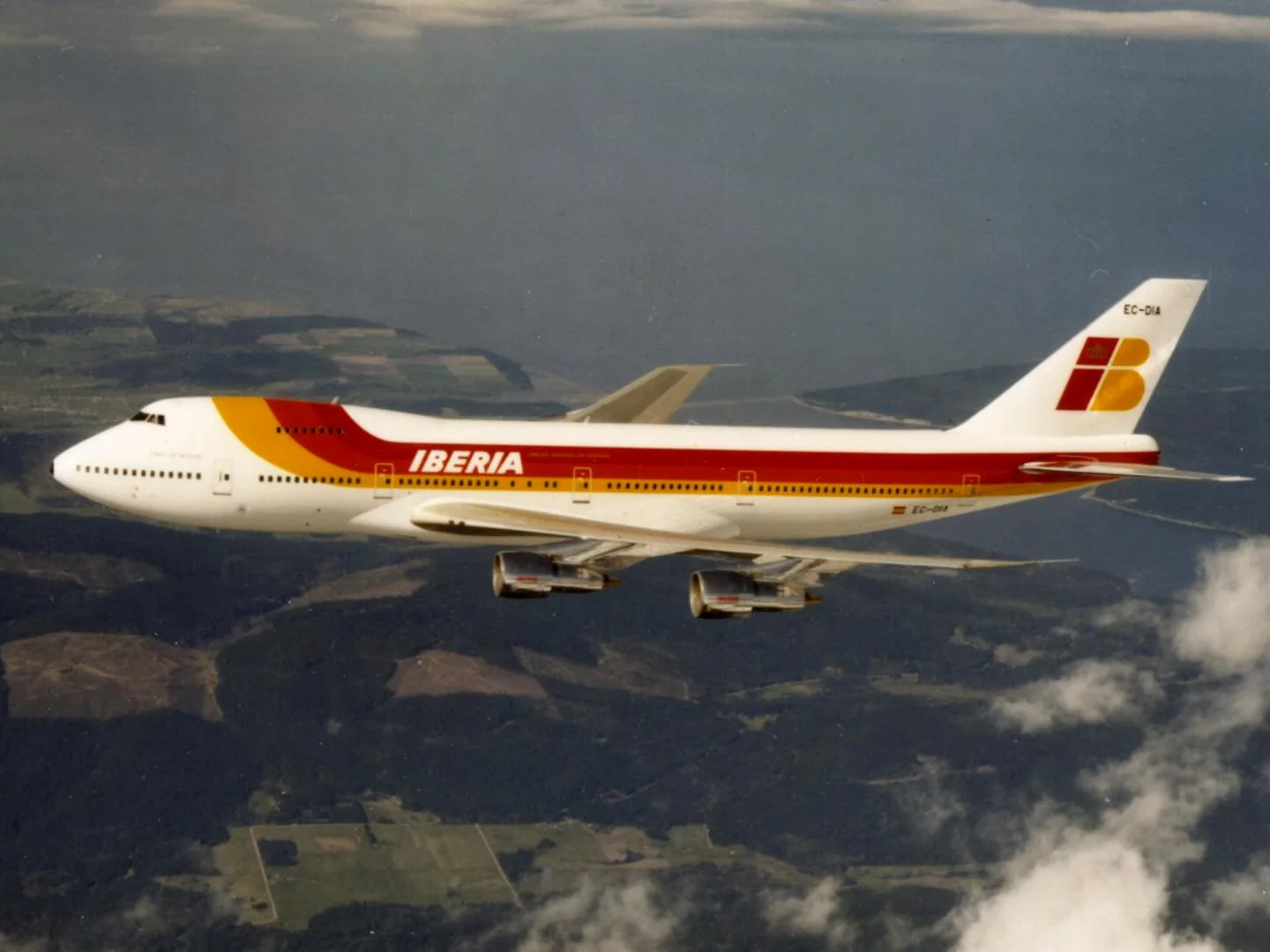
Boeing 747 familyIberia Airlines · CC BY 2.0 · Boeing 747 pictured

Boeing 747 family

Hydraulically powered controls with artificial yoke feel, autopilot backdrive and a stick shaker.
AirlinerB748プロファイル候補:14

機体を知る

The 747 first flew in 1969 and entered airline service in 1970. Its broad main deck transformed the scale of passenger flying, while the elevated cockpit also suited a freighter with a nose-loading door. Passenger and cargo developments remained important throughout the programme.

The flight deck changed dramatically between classic three-crew 747s and later two-pilot aircraft. The 747-8 also brought a further wing and engine development. The simulator products cover several generations, including the classic 747-200 and modern 747-8.

Boeing 747-8 Intercontinental

Powerplant
4× GEnx-2B67, 66,500 lbf each↗
Seats
≈410 typical three-class↗
Max takeoff weight
987,000 lb (447,700 kg)↗
Wingspan
224 ft 7 in (68.45 m)↗
Length
250 ft 2 in (76.25 m), the longest airliner of its day↗
Max operating (Mmo)
M0.90↗
Typical cruise
M0.855↗
Max operating altitude
43,100 ft↗
Range
≈7,730 nm↗
Fuel capacity
≈63,034 US gal↗
Flight controls
Hydraulic with artificial feel, control column↗
First flight (747-8I)
2011↗

AirframeDBでこの航空機について詳しく見る

How the upper-deck shape emerged

Boeing’s early concept archive shows that the familiar 747 shape was not the starting point. The development team studied several arrangements with two passenger decks. Problems with those configurations led Joe Sutter’s team toward a wide fuselage with most accommodation on one level. Moving the flight deck upstairs also left room for a cargo door in the nose below it.

A production story ending with a freighter

The 747 evolved through several generations, including the 747-400 and the later 747-8, while passenger and freight operations gave the family different careers. Boeing marked the final delivery on 31 January 2023 at Everett, handing a 747-8 freighter to Atlas Air. The manufacturer recorded 1,574 aircraft built over more than half a century.

People who had helped design and build the original aircraft returned for the ceremony. Atlas provided another link across generations: the company began with a converted 747-200 freighter and later operated types including the enlarged Dreamlifter, used to transport 787 components.

Sharing the coveted Kai Tak landing

Westerdijk recalls choosing a first-officer position on the 747 over an opportunity to command the DC-9. After earlier F27 and A310 flying, the prospect of long-haul operations appealed to him, and he eventually became a 747 captain. His recollections of the 200 and 300 include six-day rotations through Dubai and Bangkok to Hong Kong, with the return journey retracing those stops.

Kai Tak made those trips particularly memorable. He describes the transition from instrument guidance to the visual turn beside the city, with buildings close by and western winds sometimes adding turbulence. As a first officer, the allocation of flying duties determined whether he received that prized landing. When he later commanded the aircraft, he discussed the division of sectors with his first officer.

A childhood ambition waiting beside the employee car park

Osborne traces his fascination with the 747 to seeing Airport 1975 as a ten-year-old. Years later, as a US Air Force C-141 instructor, he would look across Frankfurt airport at newly arrived 747-400s and imagine flying one. After leaving the Air Force, his airline employer acquired the aircraft used in the film, and he eventually became part of its crew. The machine that had started the ambition became part of his working life.

Writing as a 747-400 captain, he describes another connection with that childhood excitement: the preserved N661US at the Delta Flight Museum. Passing it near the employee parking area at the beginning and end of trips brought back the same sense of wonder. The recollection is about a lasting attachment to the aircraft rather than a technical evaluation of its handling.

Acceptance flights, an old mentor and a family reunion

By the time of this 2022 interview, Vize had spent more than twenty-two years flying 747s for Atlas and visited more than a hundred destinations in the type. The cargo varied from cars and boats to holiday gifts and equipment for sports teams. Acceptance flights for two new 747-8 freighters gave that career a personal turn: while he flew the aircraft, Joe Masone carried out the functional checks and systems tests. Masone had trained him about twenty-five years earlier and helped him find his way to Atlas.

Vize also recalls a brief meeting with his son Brandon during a military deployment in 2010. His own arrival coincided with his son departing aboard another Atlas 747, flown by a colleague. Among the many journeys and loads he remembers, that chance encounter stands out as a moment when the aircraft joined his professional and family lives.

Flying a 747 with a Space Shuttle on its back

At Oshkosh in 1995, McMurtry stood beside his own Waco biplane and amused his interviewer by describing a much larger two-winged machine he flew: the 747 carrying a Space Shuttle. His route to that unusual assignment included naval aviation, test-pilot training and Lockheed U-2 flying before joining NASA in 1967. He became one of the original 747 project pilots for the Shuttle approach-and-landing test programme.

Asked how the carrier handled with the Shuttle aboard, he said the change was less dramatic than an observer might expect. The added vehicle nevertheless produced considerable drag, and disturbed airflow around it transmitted shaking to the 747’s tail and airframe. These handling observations concern the modified carrier combination.

公開資料 25
  1. Boeing 747Research background · Wikipedia revision 1373946440 · retrieved 2026-09-12
  2. Boeing 747-8i & 8f Instructions and Reference
  3. Microsoft Flight Simulator aircraft manuals
  4. MSFS 2024 FAQ and edition aircraft inventory
  5. Boeing 747 Global Supertanker Instructions and Reference
  6. Boeing 747 LCF Dreamlifter Instructions and Reference
  7. MSFS 2020 FAQ and edition aircraft inventory
  8. Boeing 747-400 POH
  9. X-Plane 11 Desktop Manual
  10. X-Plane aircraft and avionics manuals
  11. 747-200 passenger productOfficial developer / designated store catalogue · checked 2026-09-12
  12. 747-200F Classic CargoOfficial developer / designated store catalogue · checked 2026-09-12
  13. Gerhard Westerdijk on flying the 747 into Kai TakLieneke Koornstra interview · 17 December 2022
  14. 747 Memories: Captain Tony OsborneTony Osborne recollection · archive page dated 23 October 2024; recollection predates that page date
  15. Delivering the final 747s for our customersTailwinds · 24 October 2022 · captain Tom Vize
  16. Pilots: Tom McMurtryDecember 1995 profile · interview at Oshkosh 1995
  17. Early 747 Concept ModelBoeing historical caption · asset BI222911 / k16432
  18. Boeing and Atlas Air celebrate the final 747 deliveryManufacturer announcement · 31 January 2023
  19. Aircraft & Avionics Update 02 release notesMSFS 2020 · version 1.33.8.0 · 22 June 2023
  20. ICAO Doc 8643 — aircraft type designatorsPublic search data retrieved 2026-09-14; authority update 2026-09-03
  21. B 747-8 Intercontinental Prime Edition-FPS-747-8Product listing captured 2026-09-23; edition scope from the reviewed catalogue
  22. 747-400Product listing captured 2026-09-24; edition scope from the reviewed catalogue
  23. Boeing 747-8 documentation印刷物またはアーカイブ資料(公開リンクなし)
  24. Boeing published data印刷物またはアーカイブ資料(公開リンクなし)
  25. FAA TCDS A20WE印刷物またはアーカイブ資料(公開リンクなし)

プロファイルによるモデル化

Boeing 747-8 Intercontinental

Free + Pro
MSFS 2020MSFS 2024X-Plane 11X-Plane 12

The 747 first flew in 1969 and entered airline service in 1970. Its broad main deck transformed the scale of passenger flying, while the elevated cockpit also suited a freighter with a nose-loading door. Passenger and cargo developments remained important throughout the programme.

This starting point selects Boeing 747-8 Intercontinental. Its aircraft-level settings do not select a particular developer’s custom systems.

Spring resistance builds with the selected airspeed response. Directed aerodynamic loading is omitted.

Pitch-trim relief is off. Autopilot following is enabled for supported control references.

この正確なリビジョンは、まだ公開インストールに対応していません。

Controls and trim

The 747 family spans the classic -200, -400 and later -8, with separate avionics and engine installations. The cited -400 maintenance discussion reports breakout and full-aft column effort varying with trim; an early-747 handling account describes its wheel effort. These are related-type reports, not measured -8 force curves. Dreamlifter and Supertanker guides additionally describe specialized autopilot controls and mission configurations.

Boeing 747 LCF Dreamlifter Instructions and ReferenceBoeing 747 family reference

About the values

The gains are normalized profile settings. They describe the chosen effect balance; hand force depends on the device and its output limits. IAS references are tuning values rather than operating limits. Physical acceptance of this revision remains pending.

Master gain & control system

Master gain85%

モデルが生み出すすべてに適用される最終的な全体出力スケール。デバイス上限の前に適用されます。

上げると: すべて(バネ、荷重、効果)が一緒に強まります。

下げると: すべてが一緒に和らぎます。

この値の理由: Scales overall profile strength while preserving effect balance, subject to device and output limits.

Forces

Spring strength20%

スティックを中央へ引き戻す基本のセンタリング力。他のすべての力はこの上に積み重なります。低すぎると通常飛行でスティックが頼りなく、高すぎると手に逆らい、上に重なる細かな手がかりを覆い隠します。

上げると: 手により強く抵抗する、固いセンタリング。

下げると: 空力荷重だけに頼る、柔らかいスティック。

この値の理由: The powered-control response uses qualitative family feel context; older maintenance and handling accounts do not calibrate every -8 axis. The baseline spring is 0.2. Low-speed spring blending is off.

Boeing 747 LCF Dreamlifter Instructions and ReferenceBoeing 747 family reference
Spring deadband0%

中央付近でバネが沈黙する小さなニュートラルゾーン。静止時の微小な動きがガタつかないようにします。広いほど落ち着きますが緩くなり、狭いほど精密ですが中央で震えることがあります。

上げると: より静かだが緩い、遊びの多い中央。

下げると: 静止時に震えうる、締まった中央。

この値の理由: Sets travel around the centre before the baseline spring resists. Smaller values engage it sooner.

Forces · Center starting force0.12

この値の理由: Adds smoothly ramped resistance outside the centre deadband. Zero removes this preload.

Forces · Center starting force transition0.05

この値の理由: Sets the travel used to ramp in centre preload. Wider intervals make its onset more gradual.

Overall aerodynamic load0%

両軸の持続荷重にかかるマスタースケールで、各軸の独立バランスの前に適用されます。プロファイルは通常これに触れず、二つの軸荷重を調整します。

上げると: 両軸がより強く荷重します。

下げると: 両軸が一緒に軽くなります。

この値の理由: The 0 gain omits sustained directed airspeed loading. Spring resistance remains independent.

Airspeed blendingFalse

低速のバネ立ち上げ窓(上記の開始/全強度ノット)を有効にします。オフではバネは全速度で一定です。

この値の理由: Allows baseline spring strength to rise with indicated airspeed where the control law permits it.

Low-speed spring floor55%

停止状態で、速度が空力を生む前にバネがどれだけ残るか。床が高いと駐機中のスティックはしっかりし、低いと駐機した軽飛行機のケーブルが緩んだような感触になります。

上げると: 駐機・タキシー時により固いスティック。

下げると: 速度でしか目覚めない、駐機時の柔らかいスティック。

この値の理由: Sets low-speed spring strength as a fraction of baseline when blending is enabled. One keeps full strength.

Spring engagement start20 kt

バネが低速の床から全強度へ立ち上がり始める速度。離陸滑走で操縦系統が「目を覚ます」ポイントです。

この値の理由: Sets the IAS where the low-speed spring blend starts rising. This is a feel threshold, not a flight limit.

Spring engagement full122 kt

バネが全強度に達する速度。開始点からここまでの間、舵面上の気流が増すにつれセンタリングは徐々に固まります。

この値の理由: Sets the IAS where the low-speed blend reaches baseline strength; high-speed stiffening also uses it.

フォース調整速度275

空力荷重が設計上の満量に達する指示対気速度。荷重カーブ全体を機体の実際の速度域に固定します。172は110ノットで荷重が乗り、ジェットはずっと後です。

上げると: 荷重の到来が遅くなり、より速くまでスティックが軽いまま。

下げると: 荷重が早く到来し、巡航がより重く。

この値の理由: Sets the IAS reference for aerodynamic loading. It is an estimate, not published cruise TAS or a flight limit.

Centre firmness vs speed100%

舵角荷重に加えて、センタリング自体が速度でどれだけ固くなるか。ゼロなら中央の感触は一定、大きくすると巡航で固く、場周で緩くなります。

上げると: 速度とともに明確に固くなる中央。

下げると: どの速度でも一定の中央感覚。

この値の理由: The high-speed spring-stiffening gain is 1. It strengthens the permitted spring response above 122 KIAS, with the squared-speed ratio capped at 7.8.

Centre stiffening cap7.8

速度によるセンター硬化の上限。超高速飛行でバネが際限なく巻き上がるのを防ぎます。

上げると: 高速でより多くの総硬化を許容。

下げると: 硬化がより早く頭打ちに。

この値の理由: Limits the squared airspeed ratio used for high-speed spring stiffening; it is not a device-force cap.

Aileron load65%

エルロン舵角と速度による持続的なロール荷重で、ピッチとは独立に調整されます。エレベーター荷重と合わせて、レビューで語られる操縦調和の比率を決めます。

上げると: より重いロール力。

下げると: より軽く機敏なエルロン。

この値の理由: Roll and pitch aerodynamic scales are 0.65 and 0.65, respectively. These stored weights do not create directed aerodynamic loading while that term is inactive. No custom spring-travel curve is enabled.

Elevator load65%

エレベーター舵角と速度による持続的なピッチ荷重で、ロールとは独立に調整されます。機種ごとのピッチの重さを決める主レバーです。エルロン、バネ、トリム、バフェットの力には触れません。

上げると: 速度での持続ピッチ力がより重く。

下げると: 保持する力の軽い、より軽やかなエレベーター。

この値の理由: Scales pitch aerodynamic loading; pitch spring travel and trim responses are separate settings.

Max output force55%

各定常ピッチ・ロール力がデバイスへ届く前の上限。強い機動でハードウェアを叩いたり飽和させたりしないための保護です。

上げると: クリップ前の定常力ピークがより高く。

下げると: より柔らかい天井。激しい機動が早く平らに。

この値の理由: Caps directed-force output. Native spring effects and device limits remain separate.

Trim

Trim relief (elevator)0%

エレベータートリムが保持ピッチ力をどれだけ和らげ、スティックの落ち着き位置をずらすか。100 %では正しくトリムされた機体は保持圧が不要になり、実機の「荷重をトリムで消す」手順そのものです。

上げると: トリムがより多くの保持力を除去。100 %ではフルトリムで打ち消し。

下げると: トリムしても力を保持し続けます。

この値の理由: Trim-sensitive column effort is family mechanism context, while the profile's exact trim authority remains a selected approximation. Pitch relief is off, with stored authority 0; roll authority is 0.

Boeing 747 LCF Dreamlifter Instructions and ReferenceBoeing 747 family reference
Trim relief (aileron)0%

ロールトリムの同じ軽減。多くのGA機には本物のエルロントリムがないためゼロのまま。ロールトリムを持つ機種には相応の値が入ります。

上げると: ロールトリムがより多くの保持力を除去。

下げると: ロールトリムの効きが弱く。

この値の理由: Scales supported roll-trim relief and permitted centre movement. Zero removes roll response.

Effect gains · Ground

Runway rumble40%

車輪速度と路面種別(舗装、草、砂利)による転がりの振動。

上げると: スティックの路面テクスチャがより強く。

下げると: より滑らかなタキシー。

この値の理由: Sets rolling texture strength, modified by speed, surface and undercarriage configuration.

Gear bumps32%

伸縮継ぎ目や轍、荒れた路面からの短い個別の衝撃で、連続的なゴロゴロに句読点を打ちます。

上げると: 継ぎ目と轍の衝撃がより鋭く。

下げると: より柔らかな地面のディテール。

この値の理由: Sets gear-bump texture during ground motion, separate from touchdown impact.

Effect gains · Airframe

Stall buffet30%

失速接近時と失速警報作動中の機体の震え。この翼が不満をどれだけ大声で告げるかです。切れ味よく落ちる機種は控えめなバフェットになり、警報音に警告を任せます。

上げると: より強い失速前の震え。

下げると: より控えめな翼。警報音が警告を担います。

この値の理由: Sets stall-buffet strength. Zero removes the cue without changing simulator stalls or warnings.

Mach buffet22%

マッハ限界接近時の遷音速バフェット。MMO付近のジェットには意味があり、そこへ到達しないレシプロやターボプロップではゼロです。

上げると: マッハ限界近くのより強い遷音速バフェット。

下げると: 高マッハでより滑らかな飛行。

この値の理由: Sets high-Mach buffet strength; onset and full-strength thresholds are separate.

Flap buffet14%

フラップが実際に空気を掴む速度窓で、気流に展開されたフラップによる機体の低周波振動。

上げると: フラップ作動中のより荒い飛行。

下げると: より柔らかな進入フラップ。

この値の理由: Sets flap buffet at the configured position and speed gates. Flap movement texture is separate.

Gear buffet10%

気流中に垂れた引込脚による機体のドラミング。機体形状が変わらない固定脚の機種ではゼロです。

上げると: 脚下げ時のドラミングが増加。

下げると: 脚下げ飛行がより綺麗に。

この値の理由: Sets gear aerodynamic buffet; movement and ground-contact cues are separate.

Stick shaker90%

機体自身の失速警報システムが発火させる専用のスティックシェーカーの振動。本物のシェーカーを持つ機種だけに値が入り、他はすべて空力バフェットと警報音に頼ります。

上げると: より固いシェーカー。

下げると: より控えめなシェーカー。

この値の理由: Sets triggered shaker strength; inactive while the shaker feature is disabled.

Effect gains · Engine, mechanical & drag

Touchdown thump90%

車輪が滑走路に触れる瞬間の単発のキック。沈下率でスケールされ、グリーサーはささやき、固い接地はドンと響きます。

上げると: 接地のより固い衝撃。

下げると: より柔らかな到着。

この値の理由: Sets landing-impact strength; landing telemetry and response shape determine the pulse.

Reverse rumble50%

逆推力やベータ域のプロペラが働いている間の滑走振動。リバースのない機種ではゼロです。

上げると: リバース中のより荒い滑走。

下げると: より控えめなリバース。

この値の理由: Sets reverse-thrust vibration with valid reverser and engine conditions. Zero removes the cue.

Engine rumble6%

アイドルから全出力まで回転数に従う連続的な動力装置の振動。前方で何かが燃料を燃やしている、常に存在する注意喚起です。

上げると: スティックのエンジンが増加。

下げると: より控えめなエンジン。

この値の理由: Sets estimated engine vibration using configured telemetry and response, not measured cockpit vibration.

Flap motion12%

シミュレーターがフラップ舵面の実際の移動を報告している間だけの連続振動。推定タイマーではなく、実際のアクチュエーター動作と故障に従います。

上げると: フラップ移動中の振動が増加。

下げると: より控えめなフラップ走行。

この値の理由: Sets texture from observed flap movement; a command without movement does not establish the cue.

Autopilot follow

AP follow authority100%

オートパイロットの指令がスティックを物理的にどこまで動かせるか。動いた軸がパイロット入力として読み返されうるMSFSでは極小に保ちます。ゼロで追従は完全に無効です。

上げると: オートパイロットがスティックを目に見えて多く動かします。

下げると: ほぼ気づかない追従。

この値の理由: Sets admitted AP-follow gain, not a percentage of travel. Runtime ownership and input limits still apply.

Stick feel

StickFeel · Trim feel enabledFalse

Whether this feature is active in this profile.

この値の理由: Retained for compatibility and group membership. Trim relief, rather than this flag, controls centre movement.

StickFeel · Trim relief enabledFalse

Whether this feature is active in this profile.

この値の理由: Allows trim relief with supported control law and valid telemetry. Axis authorities set its amount.

StickFeel · Force trim enabledFalse

Whether this feature is active in this profile.

この値の理由: Enables local force trim, separate from aircraft-owned trim and add-on integration qualification.

StickFeel · G load enabledFalse

Whether this feature is active in this profile.

この値の理由: Allows load-factor changes to modify permitted spring laws. Passive fly-by-wire feel can suppress it.

StickFeel · Rate damping enabledFalse

Whether this feature is active in this profile.

この値の理由: Enables rate damping with the configured coefficients and control law.

Autopilot

Autopilot · Follow enabledTrue

Whether this feature is active in this profile.

この値の理由: Following is on at 1 authority when a supported, valid autopilot control reference is available.

Autopilot · Neutral hold enabledFalse

Whether this feature is active in this profile.

この値の理由: Permits centering hold during a supported AP state, separate from following a moving target.

Autopilot · Neutral hold strength0.6

この値の理由: Sets admitted AP neutral-hold strength; inactive while neutral hold is disabled.

Aero

Aero · EnabledTrue

Whether this feature is active in this profile.

この値の理由: Enables aerodynamic cues; each still needs nonzero strength and its simulator conditions.

Aero · Max flap index6

Where this effect reaches full strength (or has fully faded, for washouts).

上げると: a more gradual build to a later peak.

下げると: a quicker build.

この値の理由: Sets the final flap index for detent normalization. UP plus three detents uses maximum index3.

Aero · Min flap index2

Where this effect begins fading in.

上げると: the effect begins later.

下げると: it begins earlier.

この値の理由: Sets the first flap detent that admits buffet; this is a handle index, not degrees.

Aero · Shaker enabledTrue

Whether this feature is active in this profile.

この値の理由: Permits shaker at supported warning conditions; the switch does not establish aircraft equipment.

Ground

Ground · EnabledTrue

Whether this feature is active in this profile.

この値の理由: Enables ground effects; each still needs its own strength and contact or motion telemetry.

Engine

Engine · EnabledTrue

Whether this feature is active in this profile.

この値の理由: Enables engine cues with nonzero settings and valid running-engine telemetry.

Mechanical

Mechanical · EnabledTrue

Whether this feature is active in this profile.

この値の理由: Enables accessory cues with configured strengths and observed accessory movement.

Mechanical · Gain0.12

The strength of this effect.

上げると: a stronger effect.

下げると: a weaker one.

この値の理由: Sets texture from observed gear movement, separate from aerodynamic and touchdown effects.

すべてのプロファイル設定
推定プロファイル設定
パラメーター値何を制御するのかとその理由
Spring strength0.2 The powered-control response uses qualitative family feel context; older maintenance and handling accounts do not calibrate every -8 axis. The baseline spring is 0.2. Low-speed spring blending is off.
Spring deadband0.0 Sets travel around the centre before the baseline spring resists. Smaller values engage it sooner.
Forces · Center starting force0.12 Adds smoothly ramped resistance outside the centre deadband. Zero removes this preload.
Forces · Center starting force transition0.05 Sets the travel used to ramp in centre preload. Wider intervals make its onset more gradual.
Force gain0 The 0 gain omits sustained directed airspeed loading. Spring resistance remains independent.
Master gain0.85 Scales overall profile strength while preserving effect balance, subject to device and output limits.
Dynamic-pressure blendFalse Allows baseline spring strength to rise with indicated airspeed where the control law permits it.
Minimum spring factor0.55 Sets low-speed spring strength as a fraction of baseline when blending is enabled. One keeps full strength.
Spring wake-up speed20 ktSets the IAS where the low-speed spring blend starts rising. This is a feel threshold, not a flight limit.
Spring full-strength speed122 ktSets the IAS where the low-speed blend reaches baseline strength; high-speed stiffening also uses it.
フォース調整速度275.0 ktSets the IAS reference for aerodynamic loading. It is an estimate, not published cruise TAS or a flight limit.
Airspeed spring stiffening1.0 The high-speed spring-stiffening gain is 1. It strengthens the permitted spring response above 122 KIAS, with the squared-speed ratio capped at 7.8.
Airspeed stiffening cap7.8 Limits the squared airspeed ratio used for high-speed spring stiffening; it is not a device-force cap.
Aileron force scale0.65 Roll and pitch aerodynamic scales are 0.65 and 0.65, respectively. These stored weights do not create directed aerodynamic loading while that term is inactive. No custom spring-travel curve is enabled.
Elevator force scale0.65 Scales pitch aerodynamic loading; pitch spring travel and trim responses are separate settings.
Maximum output force0.55 Caps directed-force output. Native spring effects and device limits remain separate.
StickFeel · Trim feel enabledFalse Retained for compatibility and group membership. Trim relief, rather than this flag, controls centre movement.
StickFeel · Trim relief enabledFalse Allows trim relief with supported control law and valid telemetry. Axis authorities set its amount.
StickFeel · Elevator authority0 Trim-sensitive column effort is family mechanism context, while the profile's exact trim authority remains a selected approximation. Pitch relief is off, with stored authority 0; roll authority is 0.
StickFeel · Aileron authority0 Scales supported roll-trim relief and permitted centre movement. Zero removes roll response.
StickFeel · Force trim enabledFalse Enables local force trim, separate from aircraft-owned trim and add-on integration qualification.
StickFeel · G load enabledFalse Allows load-factor changes to modify permitted spring laws. Passive fly-by-wire feel can suppress it.
StickFeel · Rate damping enabledFalse Enables rate damping with the configured coefficients and control law.
Autopilot · Follow enabledTrue Following is on at 1 authority when a supported, valid autopilot control reference is available.
Autopilot · Follow authority1.0 Sets admitted AP-follow gain, not a percentage of travel. Runtime ownership and input limits still apply.
Autopilot · Neutral hold enabledFalse Permits centering hold during a supported AP state, separate from following a moving target.
Autopilot · Neutral hold strength0.6 Sets admitted AP neutral-hold strength; inactive while neutral hold is disabled.
Aero · EnabledTrue Enables aerodynamic cues; each still needs nonzero strength and its simulator conditions.
Aero · Gain0.3 Sets stall-buffet strength. Zero removes the cue without changing simulator stalls or warnings.
Aero · Gain0.22 Sets high-Mach buffet strength; onset and full-strength thresholds are separate.
Aero · Gain0.14 Sets flap buffet at the configured position and speed gates. Flap movement texture is separate.
Aero · Max flap index6 Sets the final flap index for detent normalization. UP plus three detents uses maximum index3.
Aero · Min flap index2 Sets the first flap detent that admits buffet; this is a handle index, not degrees.
Aero · Gain0.1 Sets gear aerodynamic buffet; movement and ground-contact cues are separate.
Aero · Shaker enabledTrue Permits shaker at supported warning conditions; the switch does not establish aircraft equipment.
Aero · Amplitude0.9 Sets triggered shaker strength; inactive while the shaker feature is disabled.
Ground · EnabledTrue Enables ground effects; each still needs its own strength and contact or motion telemetry.
Ground · Gain0.4 Sets rolling texture strength, modified by speed, surface and undercarriage configuration.
Ground · Gain0.32 Sets gear-bump texture during ground motion, separate from touchdown impact.
Ground · Gain0.9 Sets landing-impact strength; landing telemetry and response shape determine the pulse.
Ground · Gain0.5 Sets reverse-thrust vibration with valid reverser and engine conditions. Zero removes the cue.
Engine · EnabledTrue Enables engine cues with nonzero settings and valid running-engine telemetry.
Engine · Gain0.06 Sets estimated engine vibration using configured telemetry and response, not measured cockpit vibration.
Mechanical · EnabledTrue Enables accessory cues with configured strengths and observed accessory movement.
Mechanical · Gain0.12 Sets texture from observed flap movement; a command without movement does not establish the cue.
Mechanical · Gain0.12 Sets texture from observed gear movement, separate from aerodynamic and touchdown effects.
公開資料 26
  1. Boeing 747Research background · Wikipedia revision 1373946440 · retrieved 2026-09-12
  2. Boeing 747 LCF Dreamlifter Instructions and ReferenceBoeing 747 family
  3. Boeing 747 family referenceBoeing 747 family
  4. Boeing 747-8i & 8f Instructions and Reference
  5. Microsoft Flight Simulator aircraft manuals
  6. MSFS 2024 FAQ and edition aircraft inventory
  7. Boeing 747 Global Supertanker Instructions and Reference
  8. MSFS 2020 FAQ and edition aircraft inventory
  9. Boeing 747-400 POH
  10. X-Plane 11 Desktop Manual
  11. X-Plane aircraft and avionics manuals
  12. 747-200 passenger productOfficial developer / designated store catalogue · checked 2026-09-12
  13. 747-200F Classic CargoOfficial developer / designated store catalogue · checked 2026-09-12
  14. Gerhard Westerdijk on flying the 747 into Kai TakLieneke Koornstra interview · 17 December 2022
  15. 747 Memories: Captain Tony OsborneTony Osborne recollection · archive page dated 23 October 2024; recollection predates that page date
  16. Delivering the final 747s for our customersTailwinds · 24 October 2022 · captain Tom Vize
  17. Pilots: Tom McMurtryDecember 1995 profile · interview at Oshkosh 1995
  18. Early 747 Concept ModelBoeing historical caption · asset BI222911 / k16432
  19. Boeing and Atlas Air celebrate the final 747 deliveryManufacturer announcement · 31 January 2023
  20. Aircraft & Avionics Update 02 release notesMSFS 2020 · version 1.33.8.0 · 22 June 2023
  21. ICAO Doc 8643 — aircraft type designatorsPublic search data retrieved 2026-09-14; authority update 2026-09-03
  22. B 747-8 Intercontinental Prime Edition-FPS-747-8Product listing captured 2026-09-23; edition scope from the reviewed catalogue
  23. 747-400Product listing captured 2026-09-24; edition scope from the reviewed catalogue
  24. Boeing 747-8 documentation印刷物またはアーカイブ資料(公開リンクなし)
  25. Boeing published data印刷物またはアーカイブ資料(公開リンクなし)
  26. FAA TCDS A20WE印刷物またはアーカイブ資料(公開リンクなし)

コミュニティと訂正

実機経験からこのページに誤りがあると思ったら、ここで訂正してください。

パイロットによる訂正

この機体に乗っていますか?このページを訂正。

このページは引用文献に基づいていますが、実機での経験は引用に勝ります。 誤っている主張を引用し、実機が実際にどうかを教えてください。訂正は メンテナーが確認し、この調査の次の改訂に反映されます。

ハンガートーク

Boeing 747 familyの操縦や調整についてのオープンな会話です(コミュニティフォーラム)。上の訂正はメンテナーに非公開で届きます。ハンガートークは公開です。

Boeing 747 familyのハンガートークはまだありません。最初の一人になりましょう。

コミュニティ

この機体のコミュニティプロファイル

この機体のコミュニティプロファイルはまだありません。 自分好みに調整しましたか? プロファイルを共有 するとここに表示されます。